Review: Silver Pines
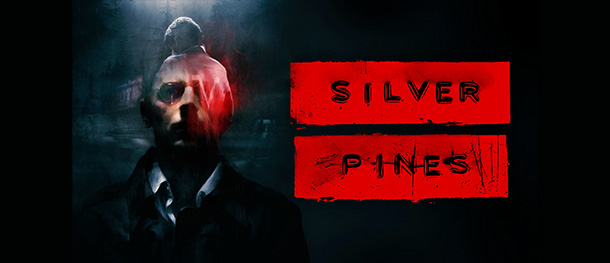
As the nights draw in, it’s the perfect time to dive into a new survival horror adventure. Inspired by classics like Resident Evil and Silent Hill, welcome to Silver Pines.
You play as Red Walker, a private investigator working for the mysterious Mr Jackman. Tasked with tracking down missing musician Eddie Velvet, Walker arrives in the town of Silver Pines, only to discover that things are far from what they seem. Before long, nightmarish horrors begin to emerge from the shadows and push Walker to his limits, both physically and mentally.
Silver Pines is a Metroidvania-style adventure where exploration is key to progression. New areas become accessible only after finding certain items or completing specific objectives, encouraging you to revisit previously inaccessible locations.
I enjoy this style of game, although it always comes with the nagging fear that I’ve missed something important because I couldn’t access an area the first time around. Success depends on becoming familiar with the map, remembering where blocked paths are, and keeping track of which items are needed to progress. Otherwise, it’s easy to spend a lot of time wandering around aimlessly. Or perhaps that’s just my ageing brain! Thankfully you have a camera which can be used to mark important things on the map.
One of the game’s greatest strengths is its presentation. Although the world is shown in 2.5D, the character animation uses hand-drawn rotoscoping, immediately bringing to mind the original Prince of Persia and Flashback. The effect looks fantastic and gives the game a distinctive identity. The town of Silver Pines itself is equally impressive, filled with detail and atmosphere.
Speaking of atmosphere, this is another area where the game excels. Rain relentlessly beats against the streets while the wind howls through the deserted town. With much of the population gone following a devastating storm, an overwhelming sense of isolation hangs over every location. The comparison to Silent Hill feels particularly apt, as sinister creatures lurk in the darkness and reality gradually begins to unravel around Walker. He is a well-developed protagonist, and his increasing confusion and descent into the unknown are handled effectively. The excellent music and sound design only enhance the experience.
Combat combines both ranged and melee weapons. Melee attacks consume stamina, making timing and positioning important considerations. Fortunately, stamina can be restored by drinking coffee. I’ve never seen Twin Peaks (although I do own the box set thanks to my podcast partner Adam) but I understand this is a reference to the show.
Resources, especially ammunition, are scarce, so charging into every encounter with guns blazing isn’t advisable. At times, it’s wiser to sneak past enemies altogether, which creates additional tension and reinforces the survival horror feel.
As you explore, you’ll discover special items known as Mementos. These function as perks, granting useful bonuses such as increased movement speed or reduced damage taken.
The influence of Resident Evil is evident throughout the game. The inventory system will feel instantly familiar, with items occupying individual slots that must be managed carefully to maximise available space. Additional inventory upgrades can be found as you progress, helping to ease the pressure. Mixing herbs to create stronger health tonics is also a nod to the Resident Evil series.
The save system is another clear homage. Instead of typewriters, save points take the form of payphones, with each save requiring a coin. Coins can also be spent on items at vending machines, but I always made sure to keep one in reserve in case I needed to save my progress.
Adding further tension, several actions occur in real time. Reloading weapons, repairing equipment, using healing items, and even checking the map all leave you vulnerable, forcing you to think carefully before acting.
There are also plenty of puzzles to solve. Some are fairly straightforward, while others left me scratching my head for quite some time. I must admit that I occasionally turned to a guide when I found myself completely stuck.
If I have one criticism, it’s the boss battles. Some of them can be frustrating, particularly given the limited resources at your disposal. I began the game on the standard difficulty setting but eventually lowered it, as certain encounters felt overly punishing. Doing so made the experience considerably more enjoyable.
Overall, I had a great time with Silver Pines. It looks fantastic, plays well, and tells an intriguing story that gradually pulls you deeper into its mysteries. I hadn’t originally planned on doing so, but I ended up earning the Platinum Trophy, which probably says more than anything else about how much I enjoyed it. My playthrough lasted around 15 hours.
If you’re a fan of Silent Hill, Resident Evil, or Metroidvania-style games, there’s a good chance you’ll enjoy Silver Pines. It’s a highly atmospheric blend of exploration and survival horror, and an ideal game to curl up with as the nights grow longer.
Review by Chris.